
Breathability Ratings
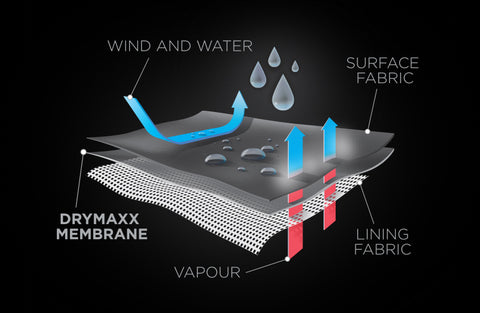
Breathability is a critical factor in the performance of outdoor apparel, particularly for activities that involve varying levels of exertion and exposure to the elements. The breathability of a fabric refers to its ability to allow moisture vapour to escape from the inside to the outside, thereby helping to regulate body temperature and maintain comfort. This is especially important in outdoor environments where temperature fluctuations and physical activity can lead to perspiration.
Breathability is typically measured in grams per square meter per 24 hours (g/m²/24h). This metric indicates how much moisture vapour can pass through one square meter of fabric in a 24-hour period. Fabrics with higher breathability ratings are generally more effective at managing moisture, which can enhance comfort during outdoor activities. For instance, a fabric with a breathability rating of 10,000 g/m²/24h is capable of allowing 10,000 grams of moisture vapour to escape from one square meter of fabric in a day.
In the outdoor apparel industry, breathability ratings can vary significantly among different materials and designs. For example, garments made from advanced synthetic materials, such as those incorporating Thinsulate technology, often exhibit superior breathability compared to traditional fabrics. This is due to their ability to wick moisture away from the skin while allowing air circulation, which is essential for maintaining a comfortable microclimate.
It is important to consider the intended use of the apparel when evaluating breathability ratings. For high-intensity activities such as hiking or skiing, a higher breathability rating is preferable to prevent overheating and excessive moisture buildup. Conversely, for less strenuous activities or colder conditions, a lower breathability rating may be acceptable, as the focus may shift towards insulation and windproofing.
In addition to breathability ratings, other factors such as waterproofing, insulation, and overall garment construction also play a significant role in the performance of outdoor apparel. Therefore, it is advisable to consider these attributes in conjunction with breathability ratings to select the most suitable clothing for specific outdoor conditions.
In summary, understanding breathability ratings is essential for making informed decisions when selecting outdoor apparel. By prioritising fabrics with appropriate breathability ratings, individuals can enhance their comfort and performance during outdoor activities, ultimately leading to a more enjoyable experience in nature.
For more information, read our blog: Waterproof Jackets – Busting through the Jargon